The Ultimate Guide to High-Altitude Travel in the Himalayas
Traveling to places like Leh Ladakh, Spiti Valley, or crossing high mountain passes like Khardung La isn't just about beautiful scenery. When you ascend above 10,000 feet, the air gets thinner, and your body enters a completely different environment. Preparation is everything.
At The Travel Freaks, safety is always our priority. Over the years, we have guided countless travelers safely through the highest motorable roads in the world. Whether you are an experienced trekker or taking your very first trip to Ladakh, understanding how to handle high altitudes is the key to enjoying your journey.
Here is your comprehensive guide to acclimatization, packing, and avoiding Acute Mountain Sickness (AMS) in the Himalayas.
What is Acute Mountain Sickness (AMS)?
As you travel to higher altitudes, the atmospheric pressure decreases, meaning each breath you take contains less oxygen than it would at sea level. Your body needs time to adapt to this change.
If you ascend too quickly without giving your body time to adjust, you may experience Acute Mountain Sickness (AMS). The most common symptoms include:
- Mild headaches or a feeling of lightheadedness.
- Nausea and a sudden loss of appetite.
- Fatigue and feeling unusually exhausted after minor physical exertion.
- Difficulty sleeping (insomnia) at night.
While mild AMS is common and usually passes after a day of rest, ignoring severe symptoms can be dangerous.
The Golden Rules of Acclimatization
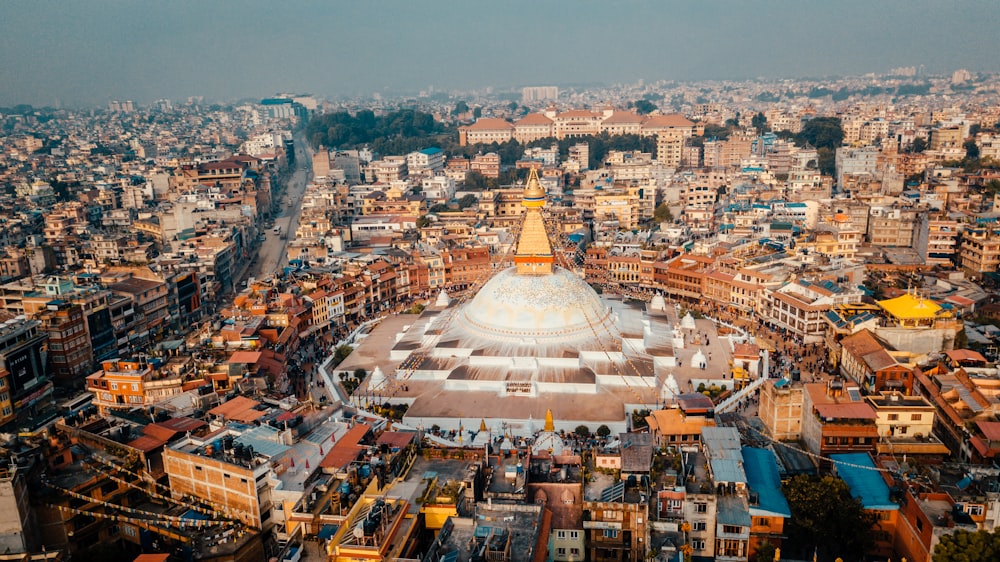
The secret to high-altitude travel isn't being incredibly fit; it's simply taking your time. Here is how you do it correctly:
1. Ascend Gradually
If you are flying directly into Leh (altitude ~11,500 ft) from a city like Delhi (sea level), your body undergoes a massive shock. It is strictly recommended to spend your entire first day resting in your hotel. Do not run around, do not go sightseeing immediately, and do not climb stairs quickly.
2. Climb High, Sleep Low
This is a classic mountaineering rule. It is perfectly fine to drive over a high pass (like Rohtang or Khardung La) during the day, provided you descend to a lower altitude to sleep for the night. Your body recovers best at lower elevations.
3. Hydration is Non-Negotiable
The air at high altitudes is incredibly dry, and you lose moisture through breathing much faster than you realize. Aim to drink at least 3 to 4 liters of water a day. However, avoid over-hydrating to the point of discomfort. Note: Alcohol and smoking severely hinder your body's ability to acclimatize. Avoid both entirely for the first 48 hours of your trip.
What to Pack for High Altitudes
Weather in the Trans-Himalayas is highly unpredictable. It can be blazing hot under the direct sun, but freezing cold the moment a cloud passes or the wind picks up. The key to staying comfortable is layering.
- Base Layer: A good pair of thermal innerwear to retain body heat.
- Mid Layer: Fleece jackets or woolen sweaters.
- Outer Layer: A heavy windproof and waterproof jacket. Wind chill on high passes is severe.
- Sun Protection: The UV rays are intense at 15,000+ feet. Bring high SPF sunscreen, lip balm, and polarized sunglasses to prevent snow blindness.
- Basic First-Aid: Paracetamol for mild headaches, motion sickness pills for winding mountain roads, and Diamox (Acetazolamide) to aid acclimatization. *Always consult your doctor before taking Diamox, as it is a prescription medication.
Listen to Your Body
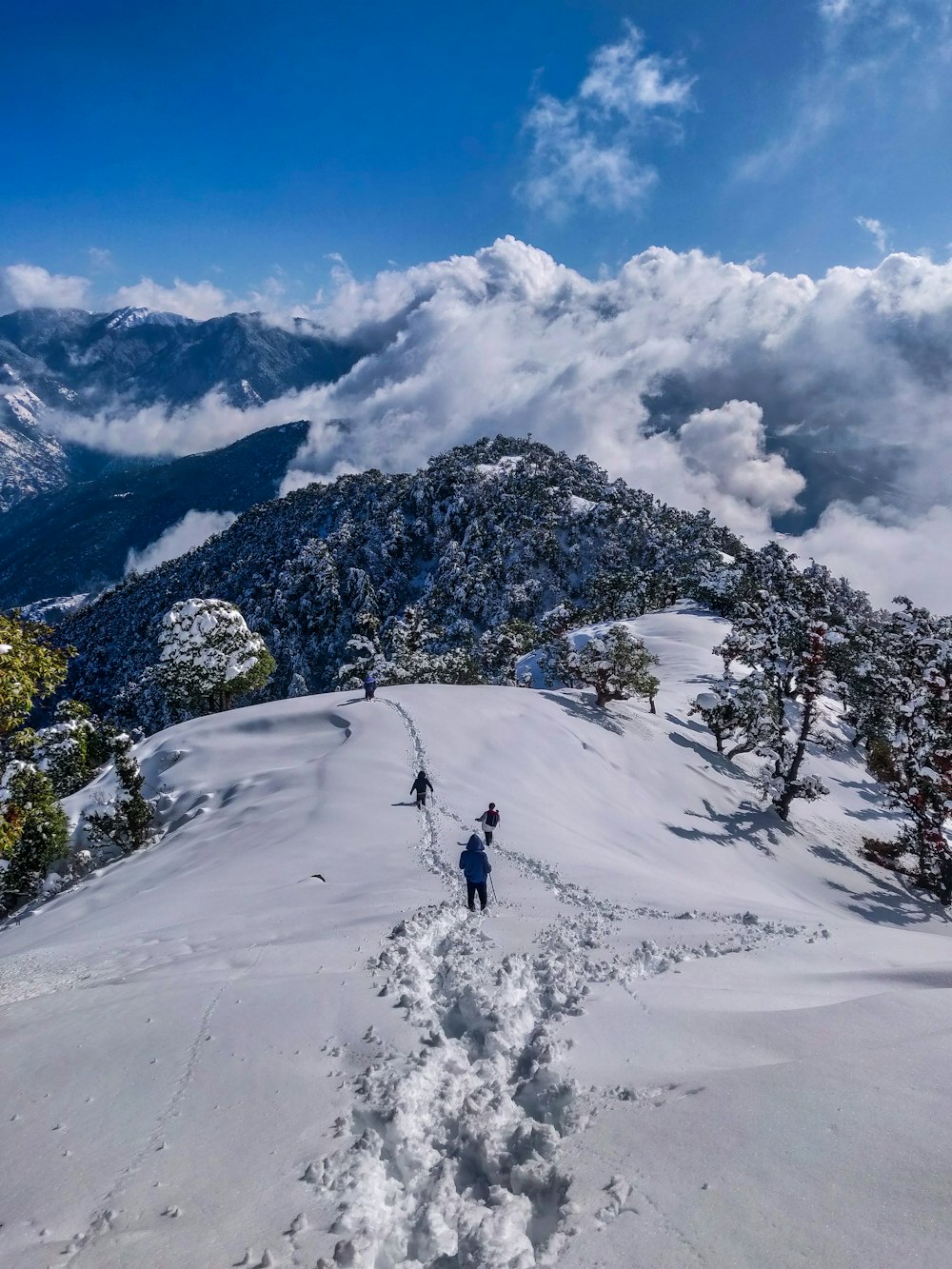
There is no shame in feeling unwell at high altitudes—it happens to professional athletes and seasoned climbers alike. If you feel a headache coming on, stop and rest. If your symptoms worsen (like severe vomiting or loss of coordination), the only cure is to descend immediately to a lower altitude.
Travel With Experts
At The Travel Freaks, we design our itineraries with acclimatization built right in. Whether we are planning a 10-day circuit through Spiti or a week in Leh Ladakh, we ensure your ascent is gradual, your accommodations are comfortable, and our local drivers are trained to handle high-altitude emergencies.
Ready for a Safe Himalayan Adventure?
Let our local experts craft a perfectly paced, fully customized itinerary for you. Your safety and comfort are our top priorities.
Explore Our Tour Packages